If you spend most of your day at a computer, a sit to stand desk is one of the easiest upgrades for your body and your workflow. The right model shifts you out of static postures, lets you dial in your ideal height within seconds, and turns fidgeting into something useful. I have installed dozens of these in offices and home studios, and I’ve seen the same pattern: people who switch to a sit stand desk end the day with better focus and fewer aches, provided they choose a design that matches their space and habits.
This year’s field is strong on both sides of the power divide. Electric frames have gotten faster and quieter, while mechanical designs are smoother and sturdier than they used to be. The choice between an electric sit to stand desk and a manual sit stand desk depends on your body, your workload, and your room. Let’s break it down, then get practical about the best picks, how to set one up, and how to use it without trading one kind of discomfort for another.
What is a sit-to-stand desk?
A sit stand desk, also called an adjustable sit to stand desk, is a work surface with a height you can change for sitting or standing. Unlike a fixed standing desk, a sit-to-stand desk moves both ways. The mechanics vary. Electric frames use motors and a controller to raise and lower the top. Manual frames use a crank, counterbalance, or pneumatic lift. Either way, the goal is the same: let you change posture quickly, then lock in a solid work height.
People often ask, what’s the difference between a standing desk and a sit-stand desk? A standing desk is typically fixed height and requires stools or tall chairs if you want to rest. A sit to stand desk adjusts down to a typical seated height and up to a standing height, so you don’t need a second workstation.
Are sit-to-stand desks worth it?
If you’re expecting a miracle cure for back pain, no desk can promise that. Still, the sit to stand desk benefits are real when you use it well. You’ll likely move more during the day, which helps with stiffness and focus. Alternating positions can reduce pressure on the lower back and hips. Many users report fewer afternoon slumps because standing invites micro-movements. In terms of work output, the gains are modest but steady: fewer breaks to stretch, less discomfort pulling your attention away from the task.
The economic case is straightforward. A decent frame and top costs less than one visit to a specialist in some cities. In an office deployment we did for 60 seats, sick days didn’t drop, but self-reported discomfort scores after six weeks fell by about 30 percent. People were less cranky at 3 p.m., which is not nothing.
Do sit-stand desks help with posture?
They can, with caveats. A sit stand desk doesn’t correct posture on its own. It gives you the chance to set monitor height, keyboard angle, and elbow position where your body tolerates them best. Position your keyboard so your elbows fall near 90 degrees and your shoulders can relax. Lift the monitor so the top third sits close to eye level. In standing mode, keep your weight over the middle of your feet, soften your knees, and avoid leaning hard on one hip. If you slouch in both positions, the desk isn’t the problem. Use it as a tool to create better posture options, not as a shortcut.
Is it healthy to alternate sitting and standing at work?
sit to stand desksYes, with pacing. The question isn’t whether standing is healthier than sitting, it’s about breaking up time spent in any one posture. How long should you stand at a sit-stand desk? New users do well with short bouts, 20 to 40 minutes of standing followed by 45 to 60 minutes of sitting, repeating throughout the day. After a few weeks you can extend standing periods if your legs and feet tolerate it. The sweet spot for most people is two to four hours of standing spread Hop over to this website across a workday. Standing all day brings its own problems: venous pooling, foot fatigue, and irritated joints. The healthiest pattern is alternating positions and adding small movement breaks.
The core differences: electric vs. manual
Choosing between a sit to stand electric desk and a manual sit stand desk comes down to a handful of trade-offs: speed, noise, precision, reliability, and cost. I’ll lay out the differences as I’ve seen them in real use.
Electric frames rely on one to three motors inside telescoping legs. The better ones move at 1.3 to 1.7 inches per second, quiet enough that a desk mic won’t pick up more than a soft hum. Memory presets matter if you share a desk or change heights often. Press a button and you’re at your standing height, press another and you’re back to sitting. Electric frames also carry more weight without wobble, which matters for heavy monitors, desktop towers, and studio gear. Downsides: higher price, need for a power outlet, and another set of electronics that can fail. Good frames include anti-collision sensors, but you still have to be mindful of cable slack and drawers.
Manual designs use cranks, gas springs, or counterbalances. Cranks cost the least and have nearly zero maintenance. You turn the handle to raise or lower. It works, and you never worry about a dead controller, but with a heavy load it gets old. Gas or counterbalanced systems are smoother. When tuned correctly, you can guide the top up or down with one hand. They shine in studios and labs where power cords are a pain, or in a sit stand desk for small spaces where you want simplicity. Downsides: fewer presets, slower transitions when heavily loaded, and limited top sizes. They can also drift if the balance changes significantly after you add or remove equipment.
So, are electric or manual sit-stand desks better? Electric wins for most knowledge workers who adjust height multiple times a day, share desks, or run dual 27-inch monitors and heavier gear. Manual is appealing for minimal setups, classrooms, and tight budgets where you still want the health benefits without wiring a new outlet.
Stability, lift, and noise: what actually matters
The best sit to stand desk strikes a balance: stable at full height, fast enough to use without thinking, quiet enough not to interrupt calls, and strong cable management to prevent snags. Watch out for these flags.
Side-to-side wobble shows up first as you raise the desk above 42 inches. Wider feet, thicker legs, and crossbars help. A good electric frame with a three-stage leg usually stays solid for people up to about 6 feet 3 inches tall. If you are taller or use a treadmill, choose a frame rated for higher heights with a wider stance. Treadmill desks need extra rigidity, and that’s one place manual designs often struggle.
Lift capacity should exceed your current load by a generous margin. Dual motors typically rate around 220 to 300 pounds of dynamic lift, triple motors more. Realistically, a dual monitor arm, tower, books, and a solid wood top might hit 120 to 160 pounds. If you plan a 72 by 30 top, don’t underspec the frame.
Noise ratings under 50 dB are common now, but specs can be optimistic. In open offices, a whisper is fine, but avoid frames that click as they start or stop. Manual cranks are nearly silent but slow. Gas-spring manuals are quiet and quick, but check for creep.
The year’s standouts: electric picks
I group electric desks by where they fit best. Prices shift during promotions, so think in ranges rather than absolutes. The models below represent how to get reliable performance without overbuying.
Everyday pro: a dual motor, three-stage frame with memory presets, anti-collision, and decent cable management. This class hits the right balance for most home offices. Pay attention to top options. Laminates hold up well, solid wood feels great but weighs more and needs oiling. In this tier, a controller with four presets is worth the extra cost if more than one person uses the station.
Heavy-duty and studio: if you stack audio racks, a wide ultrawide monitor, or a desktop plus UPS, consider a heavier frame with a crossbar and a 300 pound lift rating. These models feel boring in the best way. They glide, they stop where you ask, and they don’t shimmy when you type. You’ll pay more, but you avoid the frustration that sends people back to sitting.
Small spaces and corners: a compact 48 by 24 top fits most alcoves. Look for frames with short-depth foot design so you don’t kick the base in standing mode. L-shaped electric frames solve the corner problem and keep a printer or notebook out of your main zone, though they cost and weigh more. If you share a small room, noise and speed matter more because you adjust often.
Standing with a treadmill: you need torque and stability. Choose electric. A crossbar helps, and a top with rounded corners and durable edge banding saves your hips. Keep cable lengths generous, and mount a surge protector under the top to keep cords from becoming a tripwire.
In use, the best electric desks feel like a part of the room, not a gadget. The switch becomes a reflex. You tap a preset while finishing a paragraph, the desk moves, you keep working. That ease is the reason many people stick with the habit.
The year’s standouts: manual picks
Manual desks have a place. I’ve outfitted classrooms that don’t want cords running to every station, and labs where delicate equipment shouldn’t ride the jolt of a motor. For a sit stand desk for students, a crank or gas-spring design is often safer and cheaper to maintain.
Crank models: pick one with a folding handle and a gear ratio that doesn’t require 50 turns to move 10 inches. You want smooth cranking even under a moderate load. Expect slower transitions and plan your changes around natural breaks. The upside is bulletproof operation and predictable feel.
Gas-spring or counterbalanced: the upgrade in the manual world. When the load matches the spring, you guide the desk with one hand. These are great for lightweight setups and shared spaces. The trick is tuning. If you add a heavy monitor arm later, you might need to adjust the counterbalance to prevent drift.
Manual desks reward minimalism. A laptop on a stand, an external keyboard, and a light monitor keeps the experience pleasant. If you start adding a tower, books, speakers, and a big top, you jump into electric territory whether you meant to or not.
Ergonomics that actually help
A desk change only pays off if you dial in the rest. Small details add up. Here is a tight checklist that I use during installs to get people comfortable fast.
- Set seated height so forearms are parallel to the surface, shoulders relaxed, elbows near 90 degrees. Set standing height so wrists stay straight while typing, and the keyboard is roughly at or just below elbow height. Raise the monitor so eyes meet the top third of the screen, then tilt slightly back to reduce neck flexion. Place a footrest or shift weight occasionally to avoid locking knees; an anti-fatigue mat helps with hard floors. Route cables with slack for full travel, bundle them under the top, and verify nothing snags during height changes.
Get these right and your body will tell you the desk was worth it within a week. Ignore them and any desk, no matter how fancy, will feel off.
How to choose by use case
A freelance designer in a one-bedroom apartment has different needs than a systems engineer with three monitors and a tower. Match the frame and top to your job and room.
Small rooms: a sit stand desk for small spaces should be 40 to 48 inches wide, 24 inches deep, with simple cable routing to keep the look clean. Prioritize a quiet frame and rounded edges. A compact under-desk drawer saves you from adding a separate pedestal.
Students and shared rooms: a sit stand desk for students works best when it handles frequent height changes, survives some abuse, and keeps electrical risk low. Manual crank is practical here, especially in dorms. Pair it with a light clamp-on monitor arm and a neat power strip mounted high under the top.
Dual role workstations: if your desk doubles for meetings or sketching, memory presets are mandatory. Set sitting, standing, and sketch heights you can hit every time. Choose a forgiving surface. High-pressure laminate resists coffee rings and pen impressions better than soft woods.
Creative and audio work: vibration matters. Pick a heavier electric frame with a crossbar and consider adding isolation pads under speakers. Keep cables restrained and long enough to allow full travel without yanking interfaces.
Gaming and mixed loads: gamers lean on their desks. A faster electric lift keeps transitions out of the way of matches, and a sturdier frame keeps the aim from bouncing. If you use a tall monitor, make sure the mount and frame together hold steady near top height.
Answering the big questions people keep asking
What are the benefits of a sit-to-stand desk? Less time stuck in one posture, more chances to move, improved comfort for many users, and for some, better focus in the afternoon. Over months, those gains compound.
Are sit-to-stand desks worth it? If you sit more than six hours a day and have the budget, yes, provided you commit to alternating positions. For people with very tight budgets or shared spaces, a manual desk gives you most of the benefit at a lower price.
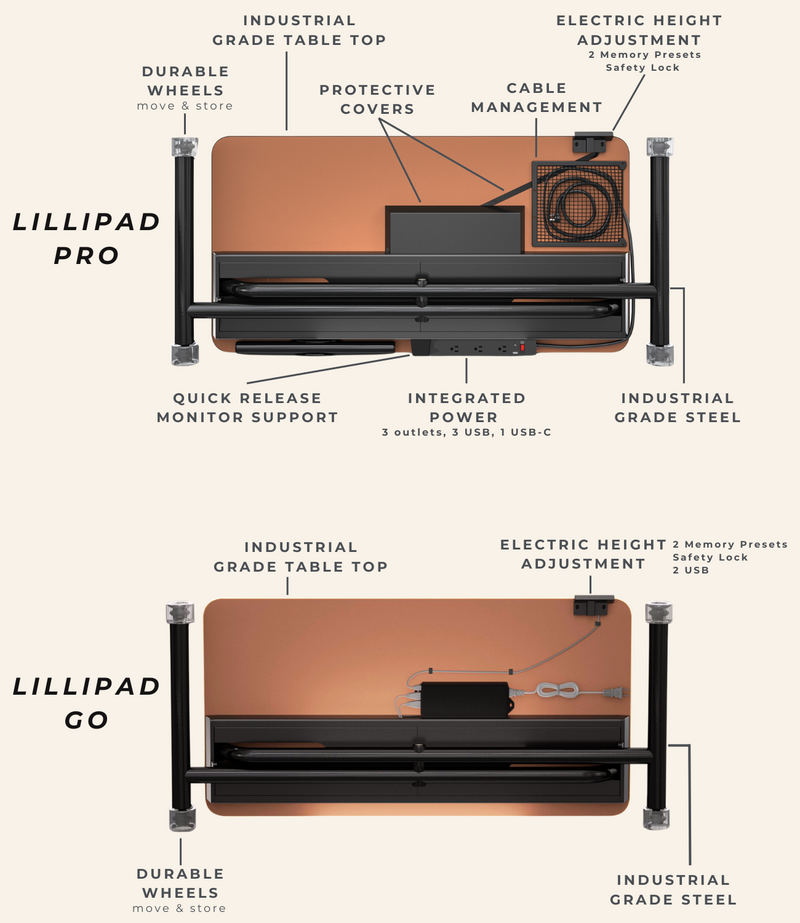
How long should you stand at a sit-stand desk? Start with 20 to 40 minute standing blocks, increase as tolerated, and aim for two to four hours of standing broken into chunks. If your feet ache, shorten the blocks and add a mat.
Do sit-stand desks help with posture? They help you adopt better posture by letting you set heights that fit your body. Pair the desk with monitor adjustments and sensible keyboard placement.
What’s the difference between a standing desk and a sit-stand desk? A standing desk is fixed height. A sit to stand desk adjusts, so you can work seated or standing at a single station.
Are electric or manual sit-stand desks better? Electric for frequent changes, heavier setups, and shared work. Manual for simplicity, low noise, low budgets, and places where power isn’t practical.
Is it healthy to alternate sitting and standing at work? Yes. The health benefit comes from breaking up static time. Alternate, move, and keep stretching in the mix.
Real-world setup: a quick story from the field
We built a small content studio in a rental where drilling into walls was discouraged. Two video editors shared a room with a podcaster. We used two electric sit stand desks with 60 by 30 laminate tops, dual motors, and four-preset controllers. Each editor got two presets. We mounted a power strip and cable tray under each top, routed all peripherals through a single under-desk surge protector, and gave the podcaster a compact manual crank desk for a quieter footprint during recordings.
The editors stood for short periods at first, mostly while organizing footage or syncing audio. After four weeks, they stood longer during color grading with an anti-fatigue mat and reported less hip tightness. The podcaster liked the crank because she could nudge height silently during takes. The only hiccup was cable length on an external RAID. We swapped for a longer Thunderbolt cable to prevent tugging at full height. Small details like that decide whether the habit sticks.
Materials, tops, and edges
People obsess over frames, then slap on the cheapest top. The top changes how the desk feels. Laminates are tough, easy to clean, and consistent. They come in woodgrains that look decent in video. Solid wood feels warm and ages well if you oil it occasionally, but it adds weight, which affects manual desks and shipping costs. Bamboo sits between, light and stiff, though edges can dent if you bang them.
Edge profile matters. A straight square edge looks sharp but can press into forearms during long typing sessions. A soft radius feels better. If you lean on your desk, a slightly beveled front edge saves wrists. Cable grommets are nice, but a cable tray under the top is better for sit to stand motion. For clamp-on arms, pick a top with a consistent thickness and a core that holds clamps well.
Cable management and accessories that matter
Cables are the most common failure point with height-adjustable setups. Route power and data through an under-desk raceway, leave a gentle loop of slack near the computer and monitor, and use Velcro straps so you can adjust later. I favor a single under-desk power strip, then one cord to the wall on a short extension with a right-angle plug. Add a cable chain only if your runs are long.
A solid monitor arm is the other must-have. It lets you keep the screen at a consistent relationship to your eyes in both positions. For heavy ultrawides, check the arm’s weight rating and bolt pattern. A modest anti-fatigue mat helps standing comfort, especially on concrete or tile. If you type heavily, a keyboard tray with negative tilt relieves wrist extension in standing mode.
Common mistakes and how to avoid them
People often set standing height too high, then shrug their shoulders to reach the keyboard. Lower it until your shoulders drop and your wrists straighten. Another mistake is standing too long too soon. Your feet will complain, your back will tighten, and you’ll abandon the habit. Start small. On electric models, many ignore the memory presets. Set them on day one. On manual cranks, people overload the desk, then blame the design. Keep the load light or move to electric.
If your floor isn’t level, shim the feet so the frame doesn’t rock. Tighten all frame bolts again a week after assembly. Wood tops can settle. Check your cable slack with the desk at full height before you trust it. If you feel a snag, stop and reroute. Don’t rely on anti-collision sensors to save you from a tight cable.
Budgeting wisely
Price ranges cluster. A reliable manual crank desk with a modest top lands in the lower tier. A well-built electric frame with memory presets and a laminate top sits in the middle. Heavy-duty and L-shaped designs climb higher. If you’re torn on where to put the money, pick the better frame first, then upgrade the top later. Tops are easier to swap than frames, and a good frame will outlive a couple of desktops.
If you need multiple stations, mix types. Give power users electric and lighter-use roles manual. In classrooms, manual saves headaches. In conference rooms, electric looks polished and supports more roles.
Using your new desk without thinking about it
Habits make or break the value of a sit stand desk. Set your presets on day one for sitting, standing, and a slightly lower standing height for writing or sketching. Pair height changes with natural transitions: stand before calls, sit for deep writing, stand to sort emails, sit to edit. Keep a small timer for the first two weeks to remind you to switch. After that, you’ll feel the rhythm.
Wear comfortable shoes. If you go barefoot on a hard floor, add a mat. Keep a footstool under the desk if you like to alternate weight while standing. Move more than you think you need to. A slow step-in-place for thirty seconds every hour does more for circulation than forcing yourself to stand an extra hour.
Final guidance: matching person to desk
If you adjust height five or more times a day, run dual monitors, and want zero friction, pick an electric sit stand desk with a three-stage leg, 4-preset controller, and a lift rating above what you need. If you live in a studio apartment or a dorm, or you want a sit stand desk for students with low maintenance and no cords, choose a manual sit stand desk with a smooth crank or a counterbalance tuned to your load.
Either way, prioritize stability at full height, clean cabling, and a monitor arm. Set achievable standing intervals, increase gradually, and let the desk serve your work rather than become a new gadget to manage. Used well, a sit to stand desk feels less like furniture and more like a quiet partner helping you get through the day with energy left for life after the screen.
2019
Colin Dowdle was your average 25-year-old living in an apartment with two roommates in the Lincoln Park neighborhood of Chicago.
All three would occasionally work from the apartment. The apartment was a challenging environment for one person to work remotely, adding two or three made it completely unproductive. A few hours of laptop work on a couch or a kitchen counter becomes laborious even for 25 yr olds. Unfortunately, the small bedroom space and social activities in the rest of the apartment made any permanent desk option a non-starter.
Always up for a challenge to solve a problem with creativity and a mechanical mind, Colin set out to find a better way. As soon as he began thinking about it, his entrepreneurial spirit told him that this was a more universal problem. Not only could he solve the problem for him and his friends, but there was enough demand for a solution to create a business.